
MATEX
Quick Contact
X

    Navigation
    Close menu
    Theme Color
    Light Dark

    Waterstop

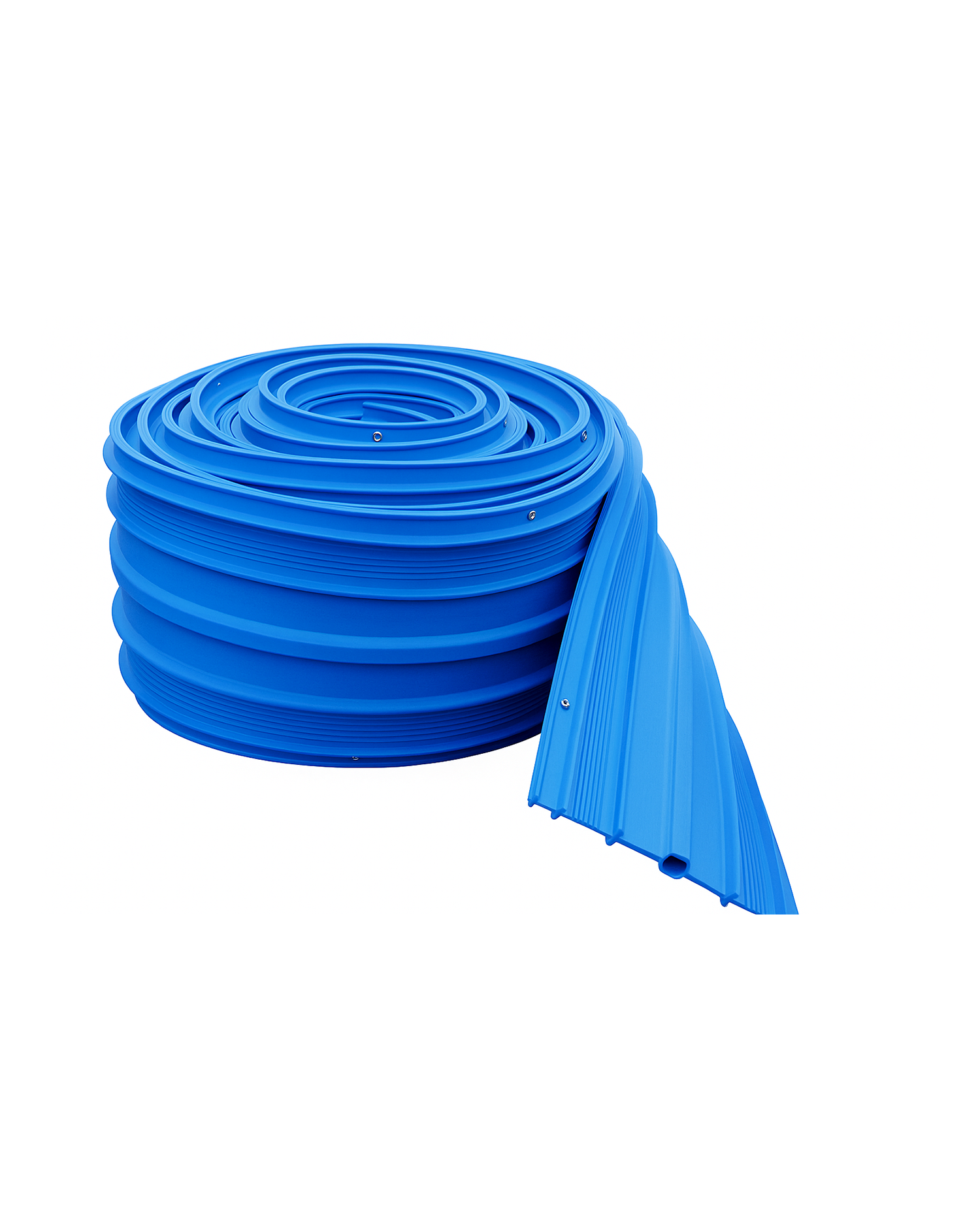
    Hydrojoint PVC blue flexible PVC waterstop for concrete construction and expansion joints by MATEX

    Hydrojoint Pvc

    Flexible PVC Waterstop for Construction, Contraction and Expansion Joints

    HYDROJOINT PVC is a high-grade flexible waterstop made from virgin PVC, designed to form a continuous watertight seal in construction, contraction, and expansion joints. Engineered for superior flexibility under extreme conditions, it features reinforced eyeletted edge flanges for secure fixing and high endurance against extreme water pressures. Suitable for potable water contact, it offers exceptional tensile strength and elongation. HYDROJOINT PVC guarantees long-term protection against water ingress and chemical attacks, making it ideal for use in reservoirs, basements, water tanks, and all critical below- and above-ground concrete structures.


    Technical data:
    • Color : Blue
    • Material : plasticized polyvinyl chloride
    • Packaging : 15 lm roll and 10 lm roll; Connections supplied by piece
    • Shelf life : 5 years if stored in proper condition

    How to Apply Hydrojoint Pvc

    Hydrojoint PVC is cast into reinforced concrete joints, either centrally within the section or externally against the blinding, and jointed on site by heat welding into one continuous network.

    1. Select width and profile. Waterstop width is governed by concrete thickness and reinforcement position; the 250 mm width generally suits walls 250 mm thick and over, while thinner concrete needs a narrower waterstop approximating the wall thickness. Use centrally placed profiles for water retaining structures and externally placed profiles for basements, foundations and floor slabs.
    2. Fix central waterstops. Position internal profiles within the concrete using split stop end formwork. Tie them securely with wire through the brass eyelets at the flange edges to the adjacent reinforcement so they do not bend under concrete pressure during pouring.
    3. Fix external waterstops. Lay external profiles loosely on the blinding and fix the stop end formwork on top. Nail the waterstop in position and bend the nail heads over to prevent displacement when the shutters are stripped.
    4. Weld joints and intersections. Use factory welded junctions at bends and cross sections. Heat fuse field butt splices with a Teflon coated, thermostatically controlled welding iron: cut the ends square with a knife, set them in a fixing jig with at least 25 mm protruding, melt both ends with the welding knife until beads form, then press them together until the PVC cools into a fusion weld.
    5. Pour and compact concrete. Clean the joint surface before pouring the next section of concrete. Compact the concrete around the waterstop profile to prevent voids.

    Summary of the method in the Hydrojoint Pvc Technical Data Sheet. Always follow the full TDS on site.

    Standards & Test Methods

    StandardTitleReferenced for
    BS 2782Methods of testing plasticsCompound typical figures (tested to BS 2782 at 25°C)
    BS 6920Suitability of non-metallic materials and products for use in contact with water intended for human consumption with regard to their effect on the quality of the waterSuitability for use in contact with potable water
    BS 2571Specification for general-purpose flexible PVC compounds for moulding and extrusionListed in the TDS
    ASTM D638Standard Test Method for Tensile Properties of PlasticsTensile properties
    ASTM D412Standard Test Methods for Vulcanized Rubber and Thermoplastic Elastomers—TensionTensile strength and elongation

    Standards and test methods as referenced in the Hydrojoint Pvc Technical Data Sheet. Values in the TDS are typical laboratory results under standard conditions.

    Frequently Asked Questions

    Is Hydrojoint PVC suitable for potable water tanks?

    Yes. The TDS states Hydrojoint PVC is suitable for use in contact with potable water and lists BS 6920 among the standards it conforms to. Centrally placed waterstops resist water pressure from either side, which suits water tanks.

    What width of Hydrojoint PVC waterstop should I use?

    In general the 250 mm width suits wall thicknesses of 250 mm and over. For concrete thinner than 250 mm, use a narrower waterstop approximating the wall thickness.

    What water pressure and joint movement can Hydrojoint PVC take?

    The 250 mm profile is rated for a hydrostatic head of up to 100 m and joint movement of up to 10 mm. It should never be used on negative pressure surfaces.

    What sizes and profiles of Hydrojoint PVC are available?

    Standard profiles are Internal Construction (IC), External Construction (EC), Internal Expansion (IE) and External Expansion (EE), each in 200, 250, 320 and 350 sizes; size 300 E or C is available on request. Junction pieces include flat cross, flat 3-way, 90° flat angle, 90° edge angle, 90° vertical T-piece and 90° vertical cross, each with a 30 cm free wing.

    How is Hydrojoint PVC supplied and how long does it last in storage?

    It is supplied in 15 LM and 10 LM rolls, with connections supplied by piece. Stored cool, shaded (at +25°C), dry, unopened and away from sharp edges, it can be used within 5 years of production.

    Quick Contact